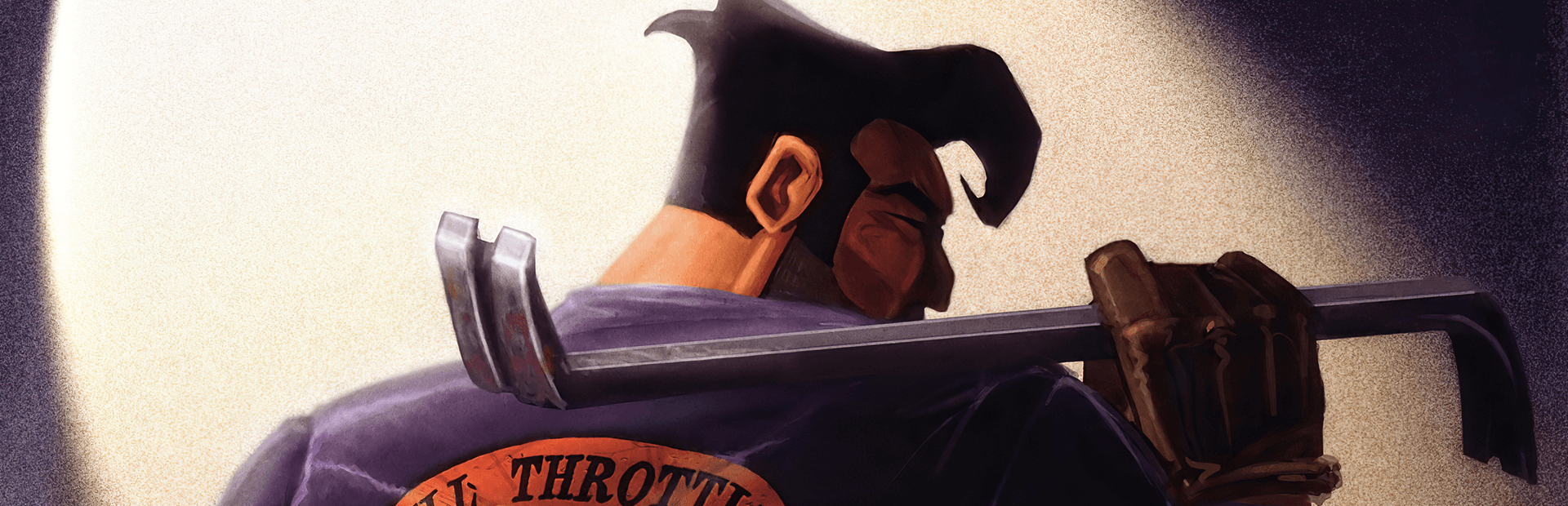
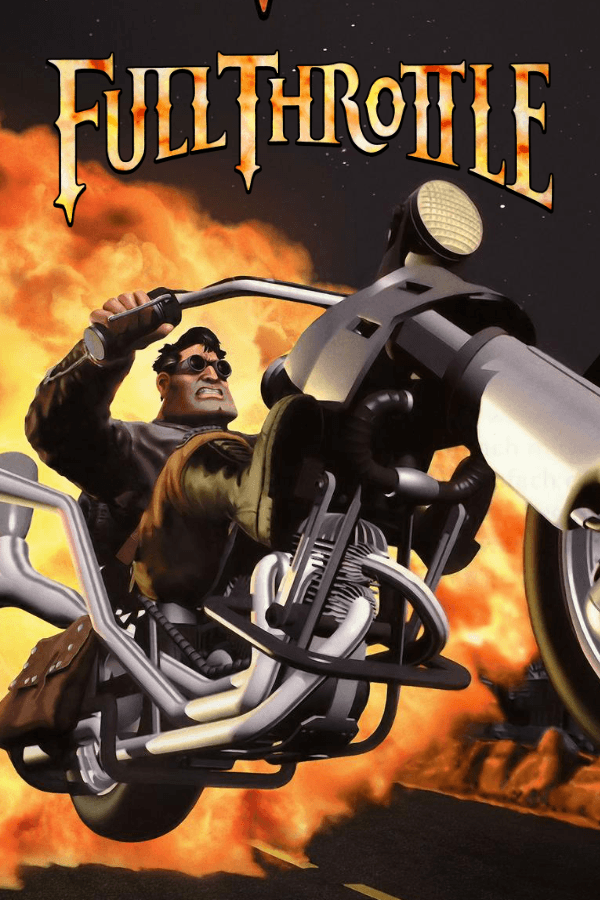

Playing Full Throttle when it launched in 1995 made one thing clear immediately: LucasArts was ready to trade traditional pixel-hunting for cinematic leather, gasoline, and punchy rock music. Designed by Tim Schafer in his debut role as project lead, this heavy-metal adventure pushed CD-ROM hardware hard, dropping players straight into a dirty, dystopian highway run.
Heavy boots, loud pipes, and a streamlined interface
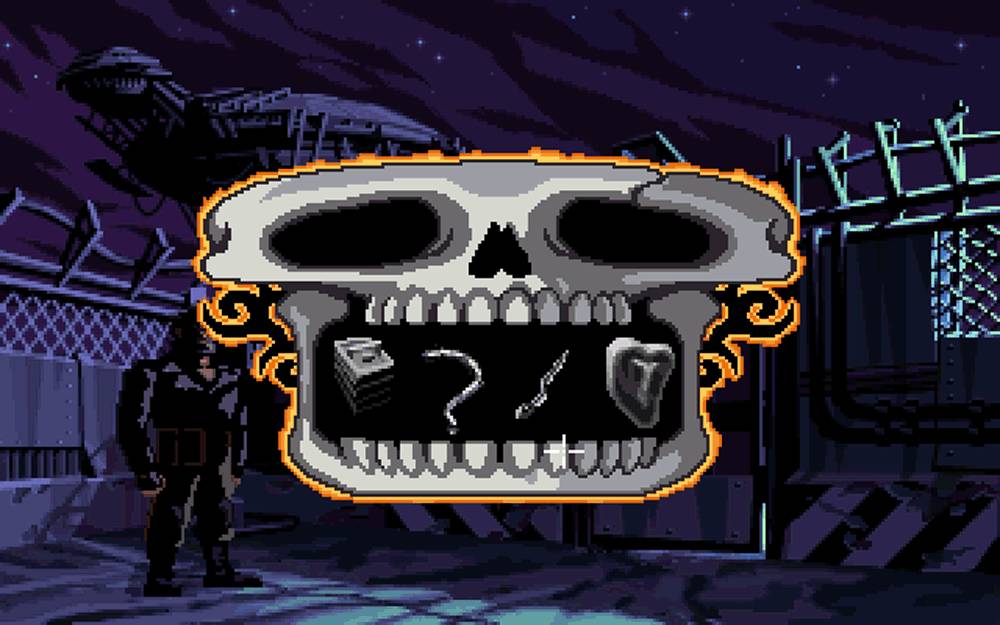
Purists who expected another sprawling verb-list adventure like The Secret of Monkey Island were caught off guard. Instead of sitting through dozens of text lines and carrying twenty useless trinkets, you play as Ben, the stoic leader of the Polecats biker gang. The interface replaces the traditional SCUMM screen-bottom text grid with a contextual pie menu shaped like a skull tattoo. Right-clicking brings up icons for a hand, boot, eyes, and mouth, making interactions fast and punchy. When Ben needs a door opened, kicking it is usually the fastest route.
The visual direction by Peter Chan and character art by Larry Ahern leaned into crisp 2D animation, backed by a production style that felt closer to an animated feature than a classic computer game. It was the first release from LucasArts Entertainment Company, LLC distributed exclusively on CD-ROM. That full-disc capacity meant no compressed MIDI track for background music. Instead, players got uncompressed Red Book audio featuring real rock tracks by San Francisco band The Gone Jackals, taken from their album Bone to Pick, alongside dynamic background music driven by the iMUSE sound system.
The voice cast added weight to every conversation. Voice actor Roy Conrad delivered Ben with a raspy, quiet authority that anchored the story, while Mark Hamill gave corporate villain Adrian Ripburger a snarl that made him genuinely fun to hate. When motorcycle company founder Malcolm Corley is killed and Ben is framed for the crime, the story moves swiftly across desert roads, abandoned factories, and roadside taverns without hitting long lulls.
Why the Mine Road split the fanbase down the middle
The biggest gamble in the design was stepping away from pure adventure logic to introduce real-time motorcycle fighting on the Mine Road. To reach the Corley Motors factory and avenge the murder, Ben has to trade blows with rival gang members riding high-tech hovercrafts and custom bikes. Using LucasArts' INSANE engine for fast scaling graphics, these segments asked players to switch from calm problem-solving to arcade timing.
This transition did not land smoothly for everyone. Controlling Ben's bike while swinging a tire iron, chain, or board in real time felt clunky on a standard mouse or keyboard. The combat turns into a strict pattern-matching game rather than a test of reflexes:
- Fists work on basic riders, but you need a chain to pull opponents off heavy bikes.
- A board knocks out armored riders before they can strike back with heavy weapons.
- Snatching the morning star or chainsaw from specific gang members is essential for surviving the tougher encounters.
- Using fertilizer powder against blind riders lets you steal specialized gear needed later in the sequence.
Period magazine reviews reflected this friction clearly. While publications like RPGFan celebrated the atmosphere and sharp writing, Computer Games/Strategy Plus blasted the real-time elements for derailing the momentum of a graphic adventure. For modern players testing out this 1995 release, the Mine Road remains the primary wall where a smooth playthrough grinds to a sudden halt.
Bizarre logic and brilliant characters on the road to Melonweed
Outside of the combat, the core gameplay of this adventure title hangs on environmental logic and inventory combinations. You spend time gathering fuel, scrounging bike parts like a booster, throwing meat to distract guard dogs, and prying open locked hatches with a crowbar. Many solutions make instant sense inside the world's gritty cartoon logic. Stealing gas by sabotaging a tower or tricking a mechanic feels entirely consistent with Ben's character.
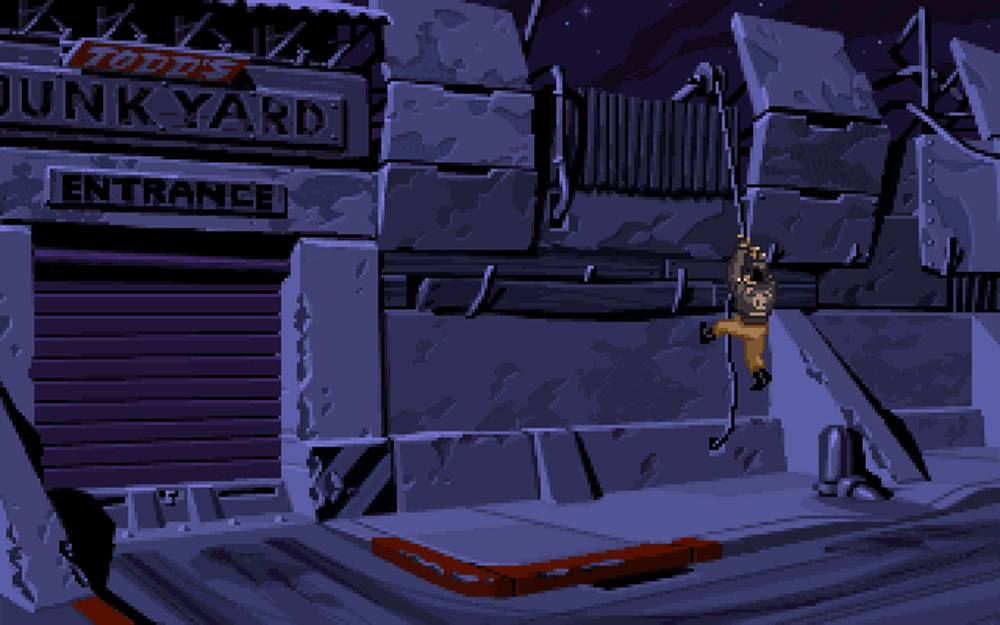
Where the design stumbles is in its occasional spike of bizarre puzzle steps. One notorious puzzle near the junkyard requires precise timing and obscure interactions that left thousands of players stuck for days back in the mid-1990s. IGN and Outside is Overrated both highlighted these logic hiccups in retrospectives, pointing out how hidden clickable spots and arbitrary puzzle chains contrast awkwardly with the slick, cinematic storytelling.
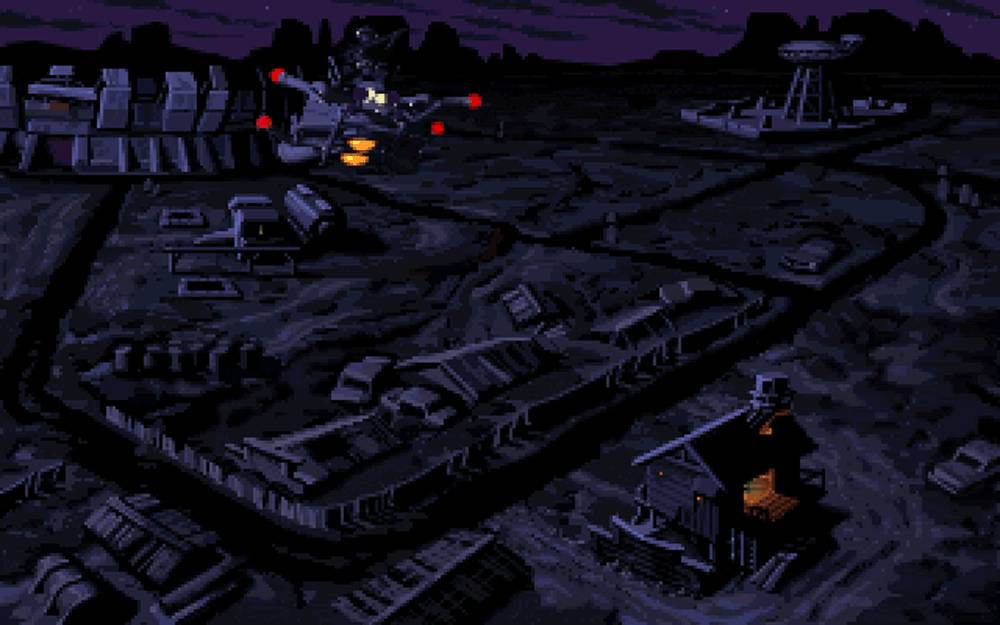
Yet when the logic clicks, the game moves with an energy few contemporary titles managed. Locations like the Kick Stand Bar and the dusty town of Melonweed feel lived-in and distinct. The dialogue stays sharp, avoiding long-winded exposition in favor of quick quips that match the gritty world. According to details cataloged on Wikipedia, the combination of rock tracks, striking visuals, and memorable voice work propelled the title past one million units sold, a massive commercial achievement for LucasArts that also boosted album sales for The Gone Jackals.
A quick ride that still leaves a mark
If there is one complaint that spans every review from 1995 to today, it is total length. Most players finish the entire story in five to six hours. Compared to the massive, sprawling world of Day of the Tentacle or the endless mazes of Fate of Atlantis, Ben's journey feels almost like a short film. Planned sequels were later canceled by the publisher, leaving this single entry to stand alone as Schafer's initial directorial effort.
Despite the abrupt runtime and the awkwardness of the Mine Road fights, the game holds up because it never wastes your time. The world building is tight, the voice performances sound fantastic on modern speakers, and the aesthetic hit a tone no other studio was brave enough to try at the time. It trade depth for momentum, and for the most part, that trade paid off.
You can play Full Throttle online, free in your browser, right here without needing an old PC setup or floppy disks. The punchy dialogue and high-octane soundtrack hold up well today, even if those motorcycle fights still require a bit of patience to master.