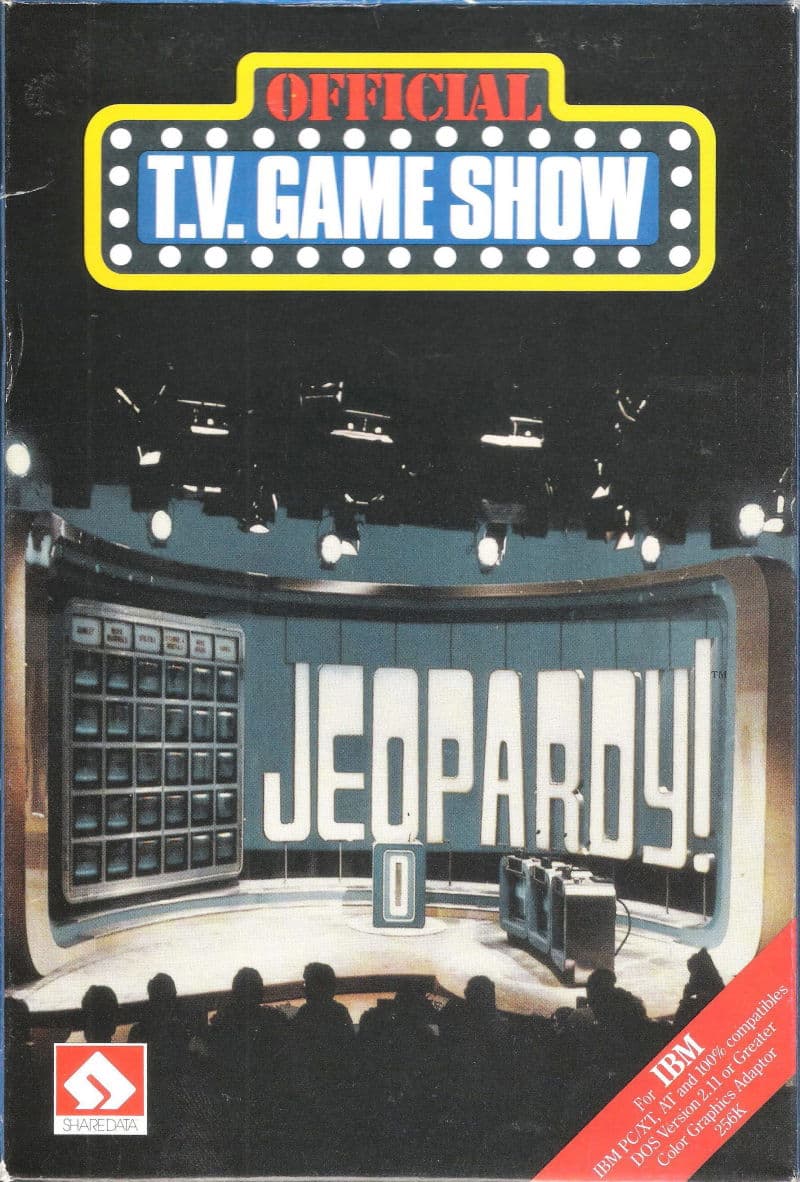
Playing Jeopardy! on a 1993 PC meant fighting two distinct enemies: the clock on the screen and your keyboard's spelling accuracy.
GameTek, Manley & Associates, and the business of TV trivia
Game show licenses were pure gold for home computer publishers in the early nineties, and GameTek, Inc. built almost an entire business model around them. When they set out to update their computer offerings for 1993, they handed production duties for their licensed titles to developers like Manley & Associates, Inc., who were tasked with translating complex television studios into modest floppy disk packages. The objective was straightforward: capture the television broadcast look without requiring hardware that the average household did not own.
That compromise shaped the entire presentation of the Jeopardy! MS-DOS game. The game relied heavily on digital audio snippets to hook fans of the television program. Alex Trebek offered digitized voice lines to welcome players, while announcer Johnny Gilbert provided his signature opening line: "This... is Jeopardy!" To modern ears, hearing those compressed audio clips blast through a PC speaker or an early Sound Blaster card is jarring, but at the time, hearing real human speech come out of a desktop tower felt like magic.
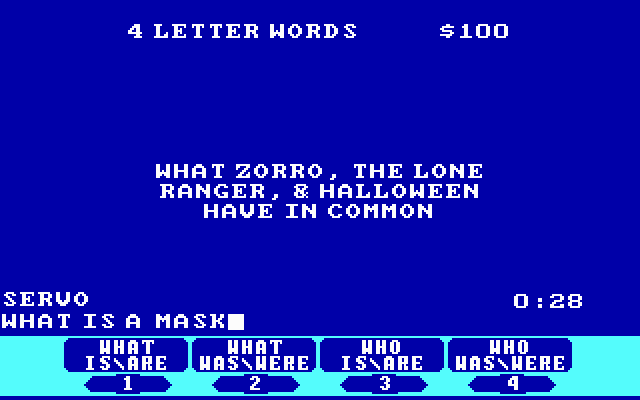
How the virtual buzzer turns brutal fast
The structure mirrors the television show faithfully across three distinct phases. You select dollar values across six categories in the Jeopardy! Round, double the stakes in Double Jeopardy!, hunt for hidden Daily Doubles to wager your current bankroll, and wrap everything up with a single make-or-break question in Final Jeopardy!. You can set up the game for three human players around one keyboard or face off against computer-controlled opponents.
Playing against the AI exposes the software's most frustrating habit. The computer opponents do not wait to simulate human reading speed; the moment a clue appears on screen, their digital buzzers instantly register. If you do not hammer your key the millisecond the text renders, the AI will lock you out of popular categories entirely.
When you do manage to buzz in first, the true parser nightmare begins. The original TV show allows Alex Trebek to flexibly judge verbal answers, but a DOS text prompt possesses no such mercy. If you make a minor typographical error while typing out a response, the engine marks it wrong and deducts the cash straight from your score, turning high-value clues into terrifying typing tests.

Sound Blaster themes and strict text entry rules
Despite the rigid text entry and aggressive computer players, contemporary magazine reviewers noted that these games brought the studio atmosphere home. The audio relied heavily on standard Sound Blaster hardware to fire off MIDI renditions of Merv Griffin's "Think!" theme during timed answer windows, keeping the pressure on while you scrambled to type.
Among the educational games of 1993, this trivia package is unusual for how strictly it sticks to the official rules of its license:
- Three competing players (human or CPU) select from six randomized trivia categories.
- Incorrect guesses directly penalize your current bankroll, allowing scores to drop deep into the negative.
- Daily Double tiles allow a player to gamble their entire earnings on a single clue.
- Final Jeopardy! requires secret wagers before the final clue is revealed.
Test your buzzer finger right in your browser
The graphics are simple and the computer opponents are utterly ruthless, but the core trivia loop remains as addictive now as it was thirty years ago. If you want to see how quickly a missed keystroke can ruin a great run, you can play Jeopardy! free in your browser right here. Try jumping into a game against two computer players, pick a high-value category, and see if your typing fingers can beat the AI to the buzz before Alex cuts you off.