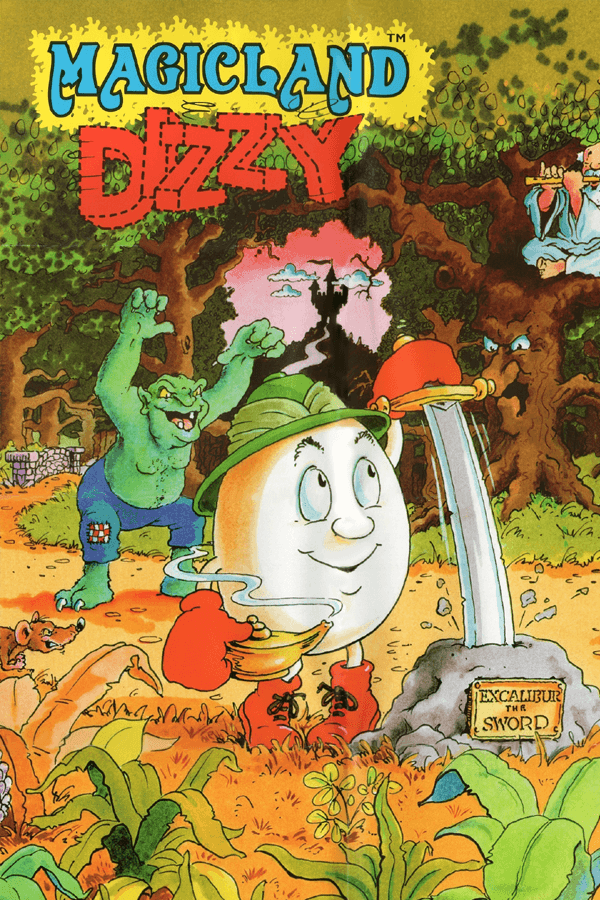
In Magicland Dizzy, you are tasked with rescuing six cursed Yolkfolk from the clutches of the Evil Wizard Zaks across a screen-swapping fantasy realm full of perilous jumps and obscure item puzzles.
A Spectrum port trapped on an MS-DOS machine
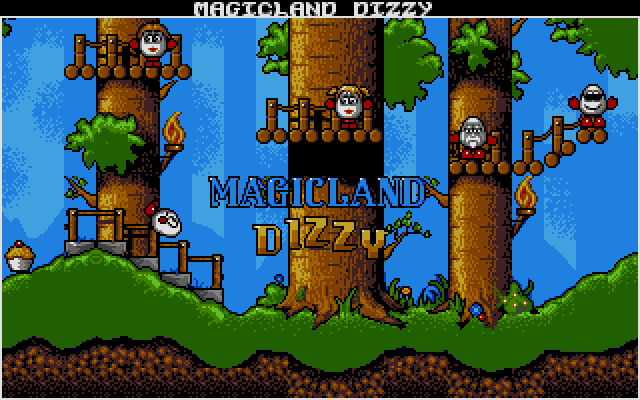
The first thing that hits you when running this 1993 action platformer on PC is that it barely tries to look like a PC game. By the early nineties, MS-DOS players expected tailored VGA visuals, but developer and publisher Codemasters brought over the original 1990 design with line art and color choices that betray its 8-bit home computer roots. Critics at the time noticed immediately: German magazine PC Player handed out a dismal 41 percent score, calling out the lazy graphic translation that left the egg-shaped hero looking awkwardly blocky against sparse backdrops.
Yet if you can look past the ugly sprite work, there is a legitimate platform-adventure loop here. Big Red Software handled the coding for this PC conversion, and while they did not overhaul the visuals, they did give the audio hardware something to do. Instead of forcing you to listen to primitive PC speaker chirps, this release includes dedicated Sound Blaster audio hardware support, laying down a jolly, atmospheric background tune that makes exploring the map considerably more enjoyable.
Walking, rolling, and the brutal three-item pocket limit in Magicland Dizzy
Movement takes getting used to because rolling is built directly into every jump. When you jump across a gap, Dizzy somersaults upon landing, carrying momentum that frequently pitches you off tiny ledges into water or spikes. Precision timing is non-negotiable when leaping through flip-screen mazes filled with ladders, moving platforms, and hazardous drops.
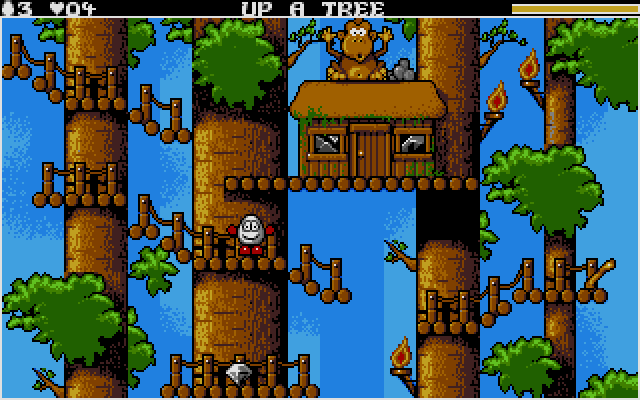
The core gameplay relies on solving spatial riddles by shuffling dynamic quest items. You roam through distinctly themed fairy tale zones, collecting scattered diamonds to maintain your health meter while untangling the specific curses laid on your friends. To beat the game, you must complete a set sequence of rescuelike tasks:
- Free Dylan from the thorny bush entangling him.
- Unfreeze Denzil from a block of ice hidden deep inside Zaks' Ice Palace.
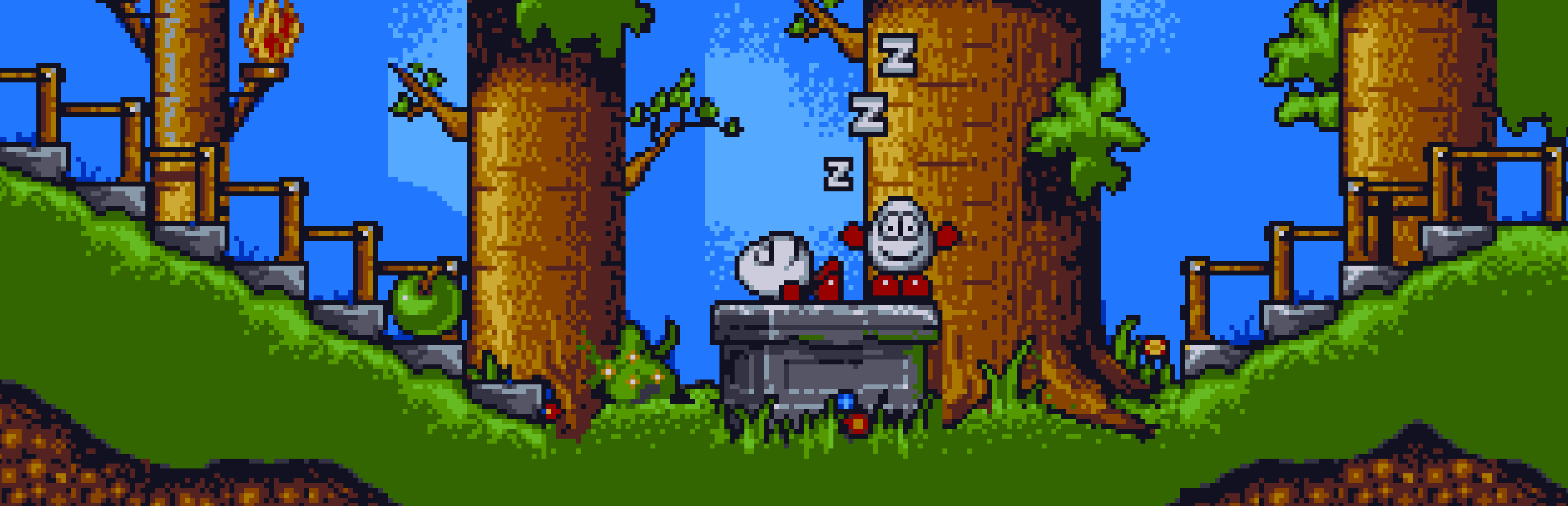
- Wake Dozy from his enchanted sleep on an altar in Sleepy Hollow.
- Navigate Weirdhenge, the witch's island, and the prince's castle to locate the remaining Yolkfolk and defeat Zaks.
The mechanics sound straightforward until you deal with the inventory bottleneck. You can carry a maximum of three items at once, which turns inventory management into a punishing chore. If you find a key object on one side of Magicland and need it six screens away, but your hands are full with items you dare not abandon, you will spend long minutes trudging back and forth across dangerous terrain just to swap gear.
Behind the scenes of Dizzy 4 and the magazine prequel
Before landing as a 1993 PC port, the title was designed under the working name Dizzy 4. The developers left a direct trace of this early development identity right on the screen: if you look closely at the upper border behind the score bar, the Roman numeral "IV" is still clearly visible. Original creators The Oliver Twins held overall design approval, but the core work fell to design team Neal Vincent alongside the programmers at Big Red Software.
To promote the original release back in 1990, Codemasters distributed a exclusive 5-screen mini-prequel title called Into Magicland on cover tapes alongside a gaming magazine. That promotional demo included a unique character who never appeared again in any main entry in the series, making it a curious piece of peripheral trivia for dedicated fans.
Why the severe difficulty split contemporary reviews
Reviews for the MS-DOS release were wildly divided at launch. While British outlet Digitiser praised the clever puzzle logic and awarded it a 79 percent score, local trade press like PC Joker slapped it with a 53 percent rating, pointing out that the high difficulty and lack of mid-game saving made progress an absolute slog. Modern players echo those exact frustrations, noting that without an internal save state feature, a single bad jump near the end of a long run wipes out an hour of careful effort.
The puzzle logic itself is well-thought-out, but carrying out the solutions demands flawless execution. Missing a jump in Weirdhenge means taking damage, losing precious health, and potentially dropping an essential quest item somewhere awkward. You have to love methodical, trial-and-error platformers to stick with it through to the end.
Who should fire up this DOS platformer today
If you enjoy classic computer platformers that test your memory and item management as much as your reflexes, this entry holds plenty of retro appeal. The underlying adventure logic is clever, the music sounds great over Sound Blaster emulation, and clearing a tricky screen after five failed attempts brings genuine satisfaction.
You can play Magicland Dizzy online right now, running the complete Magicland Dizzy MS-DOS game directly free in your browser with zero hassle. The subtle physics of Dizzy's roll-on-landing mechanics are something you really have to feel in action to understand why those small ledges in Sleepy Hollow caught out so many players thirty years ago.