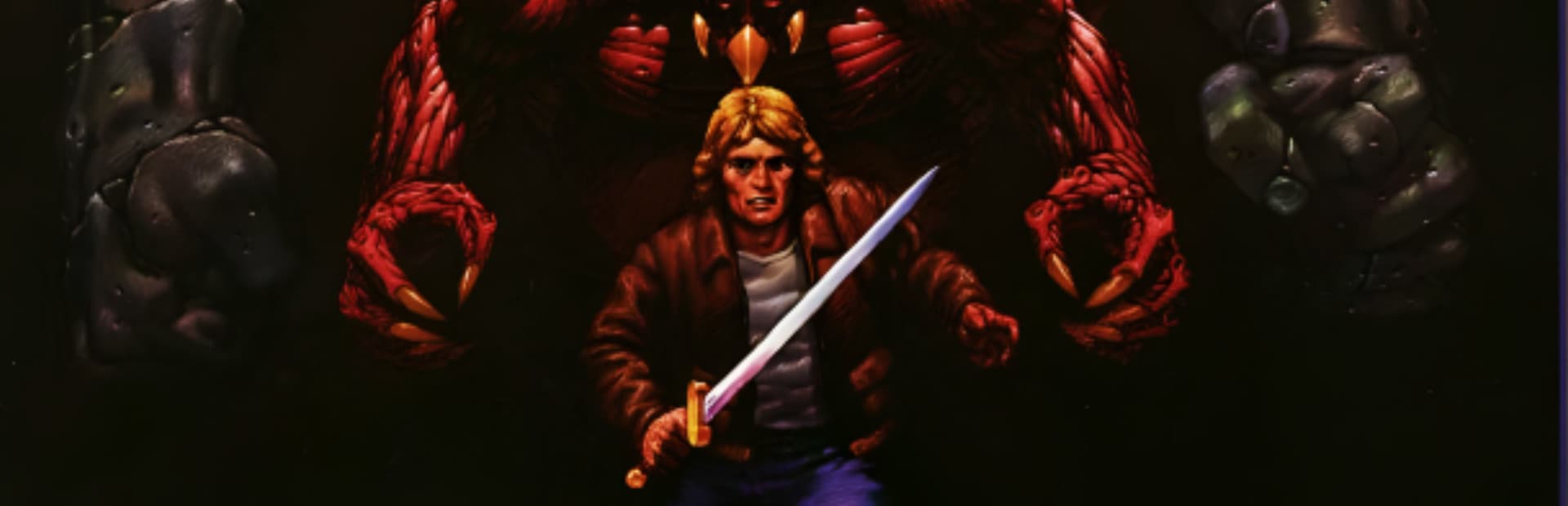
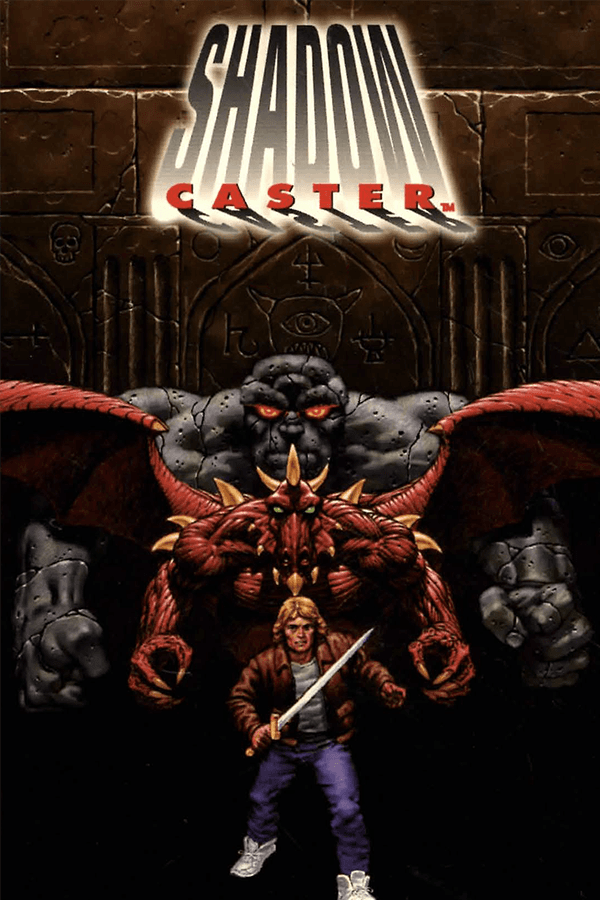
Raven Software wanted to follow up Black Crypt on PC, but engine tech moved so fast that they had to rebuild their entire project around an unreleased 3D engine from John Carmack. The result was ShadowCaster, a hybrid fantasy brawler that bridged the gap between Wolfenstein 3D and Doom.
ShadowCaster and the missing link in 3D engines
By late 1992, flat maze crawlers were starting to feel outdated. Raven Software Corporation had originally planned a direct sequel to their Amiga hit, but publisher input pushed them toward real-time 3D tech instead. John Carmack offered an experimental step forward between Wolfenstein 3D and what would eventually become Doom.
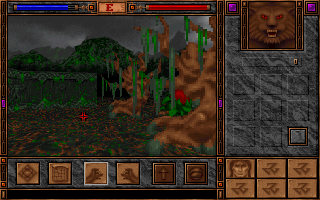
This interim tech meant 1993 PC players saw features they had never experienced before in a first-person title. Ceilings and floors suddenly had texture mapping, and rooms could vary in height. Diminishing light made corridors fade into pitch black, giving fantasy dungeons a thick sense of claustrophobia that standard grid crawlers lacked.
Six forms, one strict movement grid
You play as Kirt, a young survivor who escapes through a portal into his ancestral homeworld. Rather than earning stats, you regain powers by touching ancient obelisks. Each obelisk grants a new metaform, turning Kirt from an ordinary human into a specialized creature with distinct abilities.
The forms are genuine mechanical shifts rather than simple skin swaps:
- Maorin: A four-armed feline beast built for raw melee damage and seeing invisible hazards.
- Caun: A tiny elf-like form that crawls through small holes and casts light or healing spells.
- Opsis: A floating eye that glides over hazards, shoots air blasts, and expands your map.
- Kahpa: A amphibious frogman capable of breathing underwater and firing electric shocks.
- Ssair: A winged dragon that flies, breathes fire, and strikes enemies with its tail.
- Grost: A heavy stone golem built to break down walls and cause tremors.
Transforming on the fly gives dungeon navigation a puzzle-like structure. You might swim across a submerged cavern as the Kahpa, slip into a tiny crevice as the Caun, and switch to the Grost to smash through the wall on the other side.
Where the combat falls short
Despite the visual jumps, actual movement can feel frustrating today. The engine locks you to a strict grid without diagonal turning or strafing. Swapping metaforms mid-fight sounds exciting, but uneven balance means you will rely heavily on the Maorin for physical combat and the Grost for defense.
The real-time fighting lacks impact. Attacks feel light, and because there is only a single non-player character in the entire game, you spend hours wading through solitary hallways picking up wands and keys. It feels less like an RPG and more like an early attempt at a pure action game trapped inside a dungeon crawl setup.
Audio support was top tier for its day. A Sound Blaster 16 or General MIDI setup added rich atmospheric synth scores that fit the dark, volcanic environments. If you try running the later CD-ROM edition in modern setups, watch out for the dreaded audio loop bug. A misconfigured CD drive can trigger a write-protect violation, completely locking up cutscenes and voice tracks.
Play ShadowCaster online without messing with DOS setups
As a piece of technical history, this release captures a brief moment where developers were figuring out how real-time action should feel in three dimensions. The form-shifting puzzle design holds up well, even if the strict movement grid drags down the fighting.
If you want to experience this early piece of tech, you can play ShadowCaster online right now in your browser. There is no software to install or autoexec files to tweak. Jump straight in, transform into the Opsis, and check out Carmack's prototype rendering tech for yourself.