
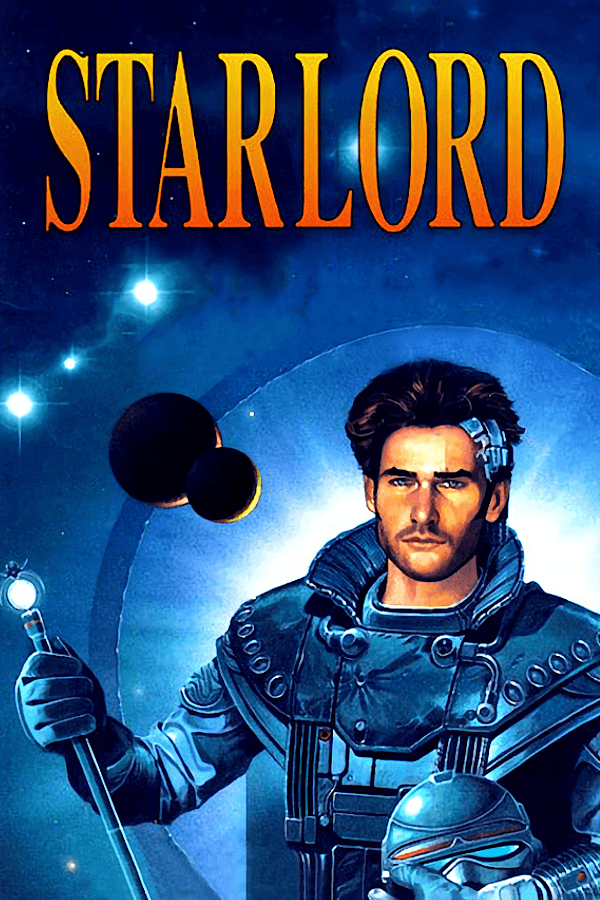

Before massive digital space empires became common on modern PCs, Starlord handed you a single solar system, a family tree, and the daunting ambition of conquering one thousand star systems to steal the galactic throne.
Mike Singleton's grand vision for space empire building
Designing a game that balances high-level empire administration with cockpit space dogfighting had always been a tricky puzzle for MS-DOS developers. Mike Singleton, who built the acclaimed fantasy strategy titles The Lords of Midnight and Midwinter, turned his attention to sci-fi in 1993 alongside co-designer Peter Barnett at Third Millennium Software.
The concept actually stretched all the way back to 1981, when Singleton originally created Starlord as a play-by-mail game before adapting it for dial-up networks and eventually pitching it to publisher MicroProse. The premise puts you at the helm of a noble house starting out as a minor Lord or Lady, competing across three distinct scenarios with ultimate sights set on dethroning the galactic Emperor.
When you start the Starlord MS-DOS game, you choose between two primary campaign styles: Single Starlord, where dying ends your run outright, or Dynasty mode, where your designated heir takes over your titles and keeps the campaign alive. That family dynamic is central to how the game plays, because holding distant star systems requires installing your own relatives as governors to keep loyalties intact across a sprawling map.
Balancing fuel, food, and family in the galaxy of Starlord
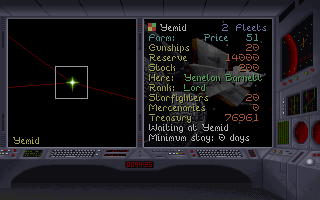
Managing your domain sounds grand on paper, but the actual administrative work demands constant attention to mundane supply chains. Every starbase and planet under your control requires steady supplies of fuel, food, water, and minerals, forcing you to balance trade routes, establish diplomatic alliances, and extract raw materials to keep your populations from starving.
If you fail to send food to a newly claimed world or forget to stock enough fuel for your fleets, economic paralysis sets in fast. The difficulty does not come from clever artificial intelligence, but from the raw logistics of babysitting dozens of colonies while trying to expand outward across strategy tactics screens.
Here is a summary of the core management loop you must maintain to keep your dynasty alive:
- Secure basic life support by balancing food and water production across all settled star systems.
- Stockpile ship fuel and industrial minerals to supply trade routes and expand military fleets.
- Appoint trustworthy family members to govern outlying worlds before local rebellion takes root.
- Form temporary tactical agreements with neighboring lords while preparing your forces for conquest.
The fatal flaw of 3D fleet battles and silent space
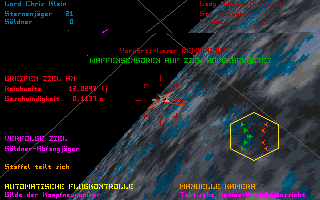
When diplomatic trade gives way to open warfare, the camera shifts away from 2D scrolling strategic maps into multiple-view 3D space combat. You can personally pilot individual starfighters or stay back on the bridge of your flagship to order whole fleets around the field.
This 3D view is where the game ran into severe criticism upon launch. Reviewer Dean Evans criticized the 3D sequences in PC Review as badly designed, tedious, and repetitive, noting that poor enemy behavior and a distinct lack of audio feedback turned dogfights into a chore. PC Zone echoed those complaints, warning that without decent combat, the loop dissolved into nothing more than buying, selling, and upgrading.
Technical issues compounded the problem on low-end hardware, where the engine dragged horribly. Hardware setup required editing a dry SOUND.DAT text file to configure your sound card, and on many setups, audio remained oddly muted during combat. When Steve Faragher reviewed the 1994 Amiga port for Amiga Power, he gave it 51 percent, calling the execution sluggish and virtually unworkable on a standard A500 machine.
Marketing delays and a real-world legal battle
The journey to store shelves was rough for MicroProse and Third Millennium Software. A full-page magazine advertising blitz kicked off early in 1993, but unexpected development delays pushed the release back by half a year, causing the promo campaign to finish long before boxes actually landed in software shops.
To make matters weirder, the print ads sparked a lawsuit from musician Sting, who claimed the promotional artwork by artist Dean Betton used his likeness from the 1984 movie adaptation of Dune without permission. Retail PC copies also shipped with strict manual-based copy protection prompts that blocked play if you lost the printed booklet.
Despite mixed reviews in the UK, mainland European press gave the title a warmer welcome, with German magazine ASM rating it 11 out of 12 while French publication Amiga Dream scored it 82 percent. Still, the punishing pacing and steep barrier to entry kept it from reaching the wide audience MicroProse had hoped for, and no sequels were ever commissioned.
Why conquest fans should try Starlord today
Starlord is far from a smooth ride, but its combination of dynastic politics and galactic logistics offers a fascinating look at early 1990s PC ambition. The combat segments remain clunky and the economic menus require serious patience, yet managing a long-term family lineage across a thousand star systems delivers a sense of scope that few games from 1993 even attempted. If you enjoy deep, unforgiving strategy games where poor planning costs you an entire bloodline, Singleton's grand vision is worth exploring.
You can play Starlord online right now, completely Starlord free in your browser without needing to track down an old physical manual or edit configuration files. The full strategy simulation launches instantly in your window, letting you step into the shoes of a galactic noble and attempt to claim the Emperor's throne in just one click.