
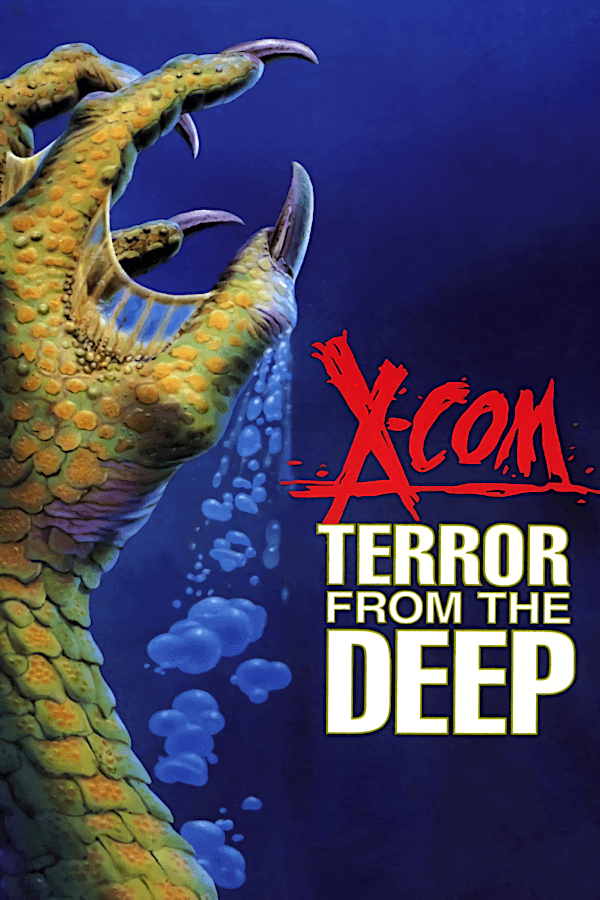

If you thought defending Earth from orbit was grueling, X-COM: Terror from the Deep took that same panic and dragged it to the bottom of the ocean. MicroProse followed up their strategy hit by swapping skies for seabed trenches, creating a game that punished every slight mistake with ruthless efficiency.
The tactical jump into the ocean was a hurried reskin
MicroProse wanted a follow-up to UFO: Enemy Unknown as fast as humanly possible while designer Julian Gollop was busy developing X-COM: Apocalypse. Producer Stuart Whyte and designer Stephen Goss took the existing game engine and swapped the assets, re-skinning airbases into submarine vaults and plasmacasters into underwater sonic blasters. It meant that this 1995 strategy tactics title felt almost identical on a mechanical level to its parent, but the developers tweaked the difficulty parameters to cater to players who had already mastered the original.
You manage global funding, build undersea bases, monitor sonar grids, and send squads of aquanauts out in transport subs to confront alien incursions. That core loop forces you to balance financial solvency against tactical survival. Composer John Broomhall and Allister Brimble replaced the original sci-fi tracks with a foreboding, aquatic soundtrack that used the Sound Blaster card to create a sense of dread before your troops even stepped off the ramp.
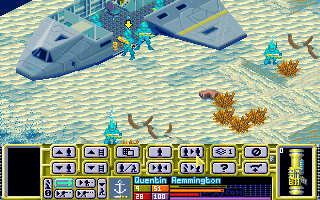
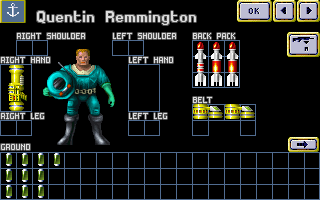
The weapon tech tree forces you to rethink your squad loadouts from the ground up. You start with basic harpoon and dart guns that feel completely useless against early alien armor, eventually climbing through gauss technology and sonic cannons to reach thermal lances and brain-bending Molecular Control equipment. Equipment restrictions keep you guessing, especially since torpedo launchers prove completely unusable during land-based terror missions, leaving heavy weapons troops stranded without artillery when defense calls take you above the surface.
Cruise ships make X-COM: Terror from the Deep a claustrophobic nightmare
While crash sites on the ocean floor offer open terrain with limited cover, shipping vessel terror sites are an entirely different test of patience. These multi-tier engagements split missions into two distinct back-to-back maps, forcing your squad to clean out a luxury liner deck by deck. You spend dozens of turns checking individual passenger cabins, narrow engine rooms, and dark closets just to hunt down a single sleeping alien that refuses to move.
The enemy roster is tailor-made to exploit your tactical vulnerabilities. Early encounters pit you against swimming Aquatoids or Gillmen, but the mid-game rapidly escalates into genuine nightmare territory. I still get tense whenever a mission briefing hints at heavy enemy armor or mind control capabilities, because an ill-prepared squad gets wiped in seconds.
- Lobstermen: Walking tanks with near-total immunity to standard ballistics and explosives, requiring specialized drill or sonic weapons to defeat.
- Tentaculats: Flying, squishy horrors with high mobility that can convert your best aquanaut into a zombie with a single melee strike.
- Tasoths: Highly intelligent alien officers capable of using Molecular Control to turn your heavily armed squad members against each other from across the map.
Bugs and difficulty spikes test even veteran commanders
The game is notorious for bugs embedded in its complex research tree that can quietly break a campaign forty hours in. If you interrogate a Tasoth Commander before completing your research into advanced deep-sea submersibles, the tech tree permanently locks up, preventing you from ever discovering the sunken alien city of T'leth. Selling key alien artifacts or bodies before your scientists have finished analyzing them can similarly render the entire campaign unwinnable without warning.
The sheer difficulty wall pushed many players to rely on built-in tricks just to survive the initial meatgrinder. Pressing Ctrl + C during tactical missions triggers a battlescape skip cheat that automatically completes the tactical map, a feature left in by developers that became a lifeline for players tired of hunting the final alien on a two-part cruise ship mission. MicroProse created a game that punished blind play, where losing a squad was a regular occurrence rather than an anomaly.

Taking back the ocean in the X-COM: Terror from the Deep MS-DOS game
For players who want an uncompromising tactical challenge from 1995, this title delivers an intense atmosphere that few squad tactics games have matched since. The multi-stage terror missions remain a tedious slog and the research traps are brutal, but the core balance of tension, resource management, and terrifying encounters still holds up. If you are a fan of MicroProse Software, Inc. and enjoyed the original game, the oceanic variant offers a much steeper mountain to climb.
You can play X-COM: Terror from the Deep online right now, fully free in your browser with zero installation needed. Load up a squad, equip a harpoon gun, and see how long your recruits survive their very first night mission at the bottom of the ocean floor.