
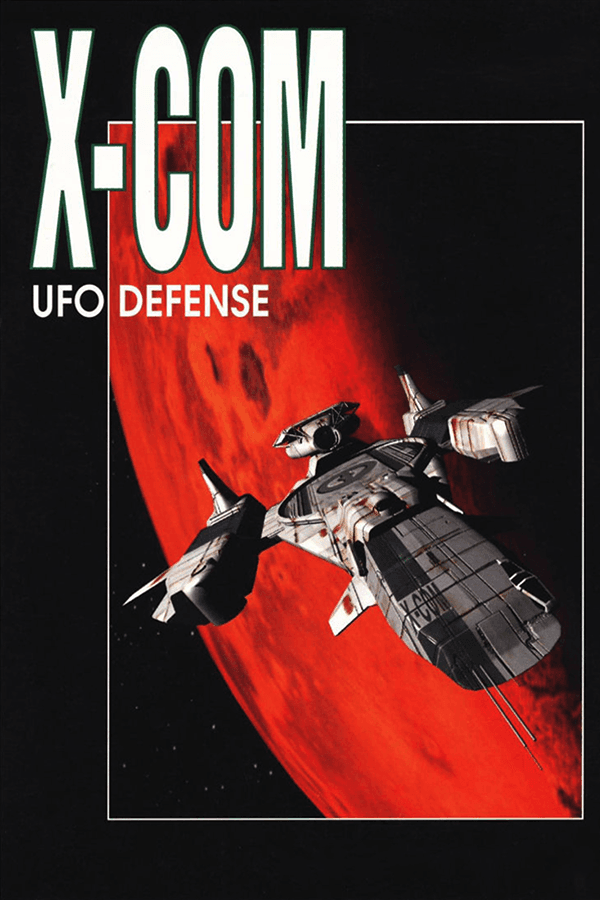

X-COM: UFO Defense
Checking…
- 1this week
In X-COM: UFO Defense, you drop eight freshly hired rookies out of a Skyranger transport into the pitch black of an alien invasion site, hoping nobody gets vaporized before stepping off the ramp. That sudden, terrifying tension transformed a hybrid of global management and turn-based skirmishes into an immediate standard for tactical gaming.
Stepping off the transport in pitch darkness
Your first mission in 1994 usually begins in complete confusion. You open the ramp of your Skyranger craft on a farm in middle North America, looking out into a pitch-black grid rendered in crisp isometric 3D. Every action your troops perform, from turning on the spot to throwing a flare, costs Time Units. Spend all your units moving forward, and you leave your soldier stranded in the open with no energy left to react when a grey, big-headed Sectoid opens fire from behind a barn.
The combat mechanics in this strategy tactics classic reward extreme caution and realistic field craft. Line-of-sight calculations handle height, cover, and light sources dynamically, meaning aliens hiding in smoke or shadowed windows will see your squad long before you see them. Destructible terrain lets you blow holes through farmhouse walls with heavy rockets when entering through the front door seems suicidal. If a team member panics under fire, they might drop their weapon or shoot their own squadmates in the back.
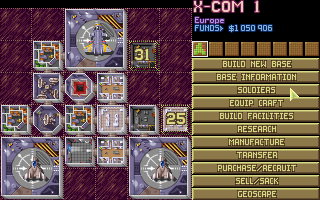
The double life of X-COM: UFO Defense on the Geoscape
When you are not managing tactical combat on the ground, you spend your time watching the Geoscape, a rotating model of Earth where alien craft register as moving radar blips. Designer Julian Gollop and his brother Nick originally envisioned the project as a direct turn-based sequel to their 1988 tactical hit Laser Squad. Producer Tim Roberts and MicroProse UK development head Pete Moreland convinced Mythos Games to add the UFO lore, the global strategy map, and the interactive UFOPedia database.
That strategic layer turns out to be just as punishing as ground combat. You build bases, purchase weapons, hire scientists, and launch interceptors to shoot down incoming bogies across the globe. International sponsors fund your enterprise every month, but if you ignore alien terror strikes in their regions, those nations will cut their funding. In extreme cases, target countries will sign secret pacts with the extraterrestrials and pull out entirely, shrinking your operating budget down to zero.
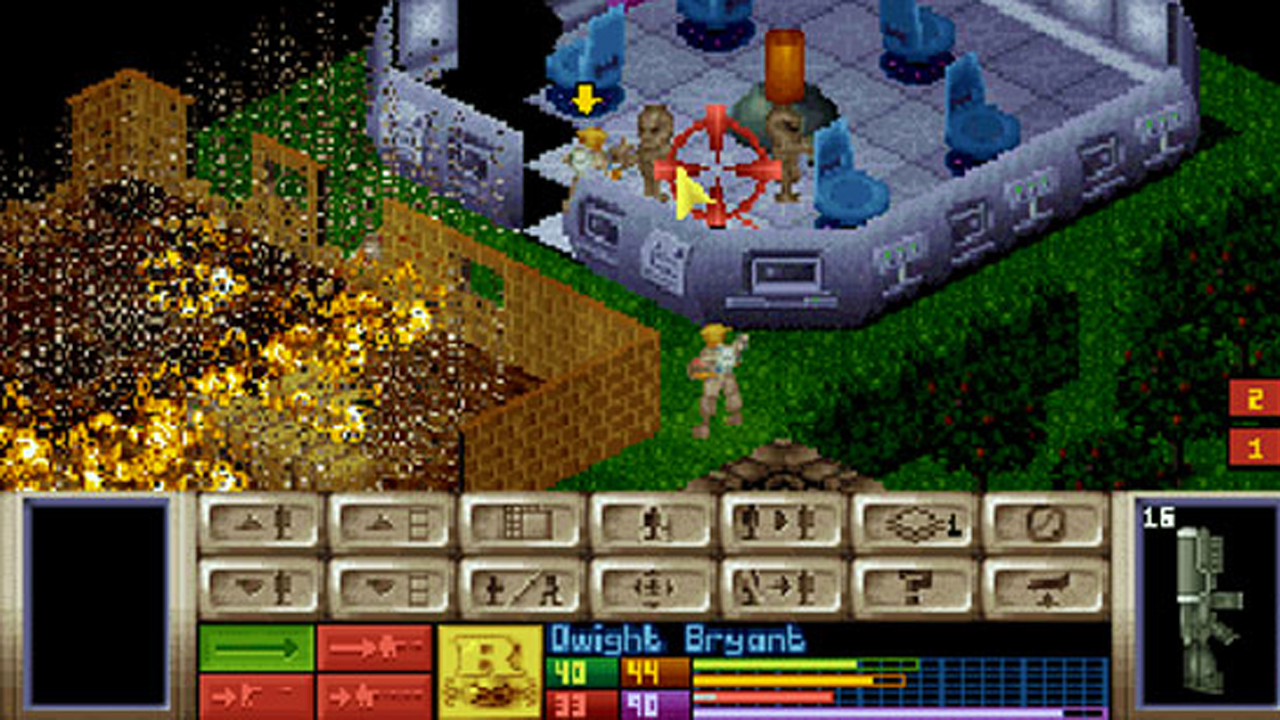
Custom hardware tricks made alien hunting scary
Publisher MicroProse Software, Inc. almost cancelled the game twice during its troubled development, mostly because dynamic lighting without hardware acceleration was such a hurdle on 1990s PCs. The developers solved this by building a custom 256-color VGA palette composed of 16 distinct shades across 16 hues. This color grid allowed light sources to smoothly dim into deep blackness without straining early processors.
Sound design did heavy lifting too. Running on a Sound Blaster card alongside a PC speaker, the low hum of alien engines and the screech of opening doors created an uneasy atmosphere that few games from 1994 ever matched. When an Ethereal or Muton uses mind control from across the map, you do not even hear a gunshot. You simply watch your best soldier turn around and aim a plasma rifle directly at your squad lead.
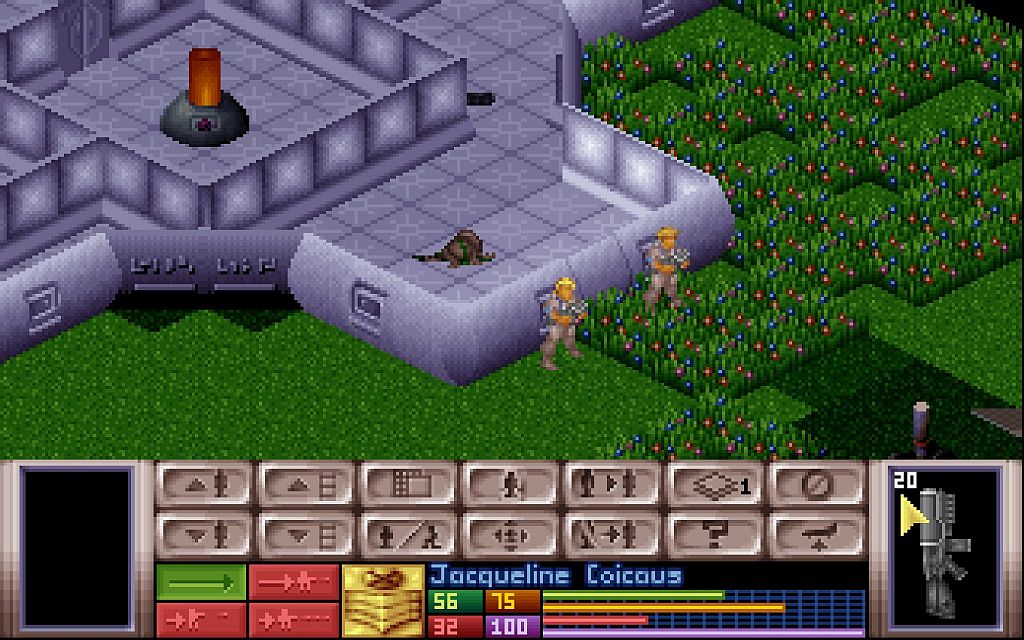
A famous bug in the MS-DOS release softened the blow
The original MS-DOS release of X-COM: UFO Defense contained a notorious difficulty bug that went unnoticed by thousands of players. No matter which difficulty setting you selected at the main menu, the game automatically reset itself to "Beginner" right after your very first tactical combat mission. Players who thought they were surviving on the hardest settings were actually fighting on the easiest baseline throughout the entire campaign.
Even on Beginner, the random number generator and steep learning curve produced brutal difficulty spikes. The user interface remains deliberately obtuse, featuring dense grids of unlabeled icon buttons that force newcomers to consult the manual just to figure out how to transfer squad equipment between bases. Yet that awkward interface hides an unmatchable progression loop, taking you from fragile human firearms up to researched plasma pistols, motion detectors, and flying personal armor suits.
Why you should play X-COM: UFO Defense online today
Few tactical strategy titles offer this level of absolute freedom and tension. While later sequels like 1995's X-COM: Terror from the Deep added underwater battles and PlayStation ports simplified the controls, nothing beats the pure design of the original. The game demands real spatial planning, economic discipline, and emotional attachment to soldiers who can perish from a single lucky shot out of the dark.
You can play X-COM: UFO Defense online free in your browser right now with no setup needed. Fire up your first Skyranger transport, deploy your rookies onto a dark farm map, and see if you can land a single stunning bolt on an alien commander without losing your entire squad in the grass.
How X-COM: UFO Defense is played — the keys the game listens to, grouped by what they do.
- Interface
Highlighted keys are mapped — hover or tap one to see what it does.
The official MS-DOS documentation relies primarily on mouse-driven point-and-click UI buttons rather than an extensive list of native default keyboard shortcuts.
Players' controls
Touch and gamepad controls
The on-screen keyboard and gamepad mapping the browser player uses on a phone, a tablet or a controller, as opposed to the real keys above. $PRO members make their own in the player and share them here; anyone can pick one to play with.
Make your own touch controlsPRO
- 1Open the editorSign in below, then pick what to make. The game starts with the editor open over it.
- 2Place your keysAdd keys and drag them where your thumbs rest, or map a controller's buttons. Test plays the game with them; Save keeps them, and you play with them from then on.
- 3Share themShare them right after saving in the game, or name and share them here. Players vote, and the best become this game's controls for everyone.
Go PROSee how it worksSign in+20 XP for sharing · +50 XP if yours become the game's own
- The game's own controlsKeyboardGamepadWhat every player starts with.In use
4 screenshots
From the archive
No gameplay video yet
No gameplay video for X-COM: UFO Defense yet. Sign in to add one.
No reviews yet
Tell the community what you think of X-COM: UFO Defense. Reviews are public and tied to your username.
No archived manuals for X-COM: UFO Defense yet
No manuals archived for this title yet. Sign in to upload the first scan.
Cheat codes, console commands and memory pokes for X-COM: UFO Defense — each one verified and attributed.
Sign in to submitNo cheats yet for this title
Know a working cheat, poke or trainer? Add it with the button above. Moderators check every entry before it goes live.
No archived soundtrack for X-COM: UFO Defense yet
No soundtrack archived for this title yet. Sign in to upload the first rip.
No save states for X-COM: UFO Defense yet
No save states for this title yet. Sign in to share one.
Discussions
Sign in to post- Threads0
- Total posts0
- Online now6
Community · X-COM: UFO Defense
Who's contributing, and what's new
- Reviews0
- Threads0
- Uploadsapproved0
- Contributors0
Recent activity
Nothing here yet
Reviews, discussion threads and approved uploads appear here as members add them.